
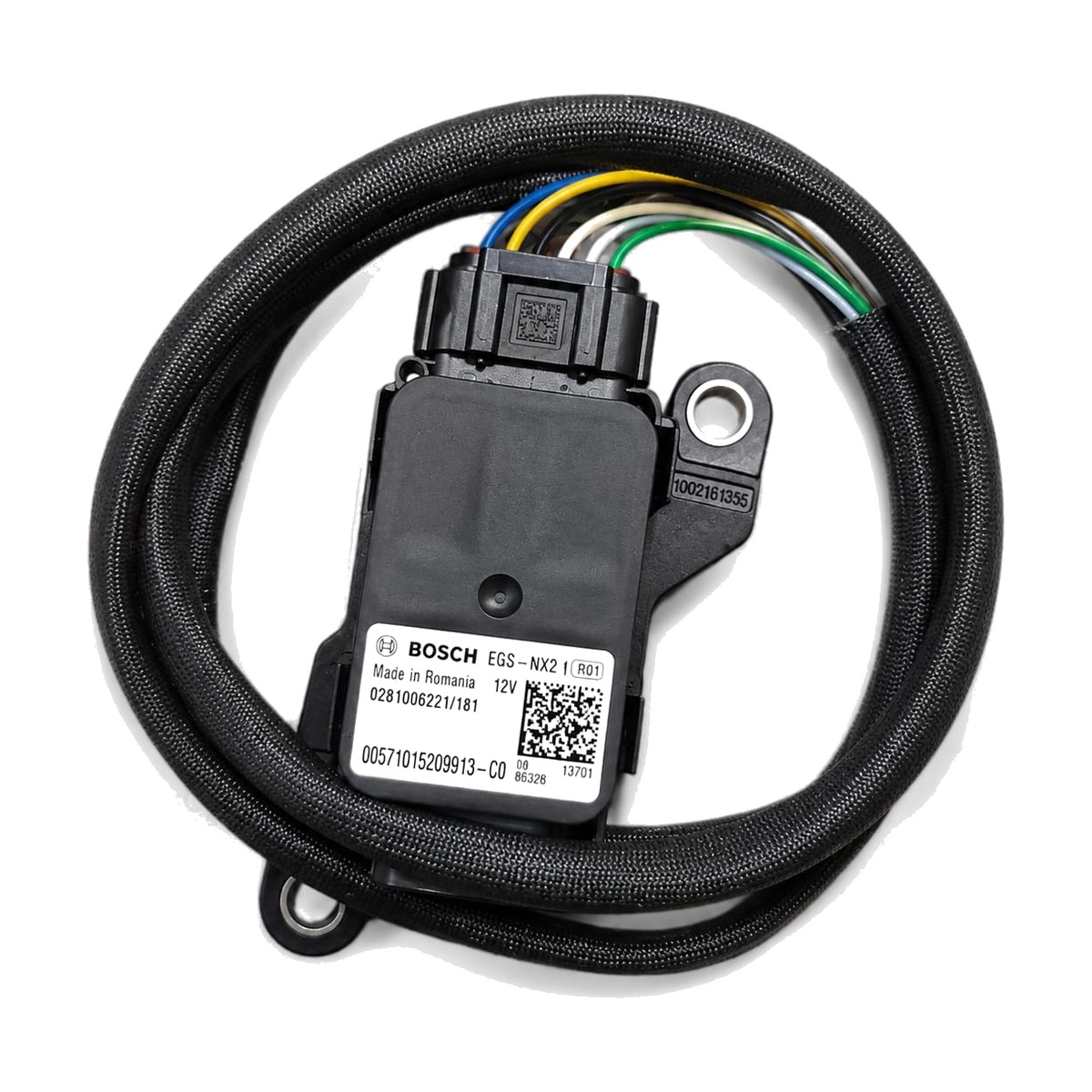
As diesel emission standards have tightened over the years, NOx (nitrogen oxide) sensors have become a standard part of the emission control systems on modern diesel engines — a small, often overlooked component that plays a big role in keeping your vehicle compliant and running efficiently.
What a NOx sensor actually does. A NOx sensor measures the concentration of nitrogen oxides in the exhaust stream, typically at two points — before and after the selective catalytic reduction (SCR) system. This data is used by the engine control unit to adjust urea (AdBlue/DEF) dosing and combustion parameters in real time, keeping the vehicle within emission regulations.
Why a failing sensor causes bigger problems than it seems. A faulty NOx sensor sends inaccurate readings to the engine control unit, which can respond by over- or under-dosing urea, reducing fuel economy, triggering the check engine light, or — in many modern trucks — putting the engine into a reduced-power "limp mode" to force a repair.
Common warning signs of a failing NOx sensor. A persistent check engine or emissions warning light, unexpectedly high AdBlue/urea consumption, reduced engine power, or a failed emissions inspection are all signs worth investigating.
Why sensors fail. NOx sensors operate in a harsh, high-temperature exhaust environment and are exposed to soot and chemical byproducts continuously. Over time, this exposure — along with normal electrical connector wear — is the most common cause of failure, rather than any single dramatic event.
Replacement is precision work. Because NOx sensors communicate constantly with the engine control unit, using the correct part for your specific engine and emission system is essential — an incompatible sensor can cause the same symptoms as a failing one, even when it's brand new.
Please note: if your vehicle is showing a NOx-related fault code, it's worth having the wiring and connector inspected alongside the sensor itself, since connector corrosion is a common and easily overlooked cause of false readings.
We supply NOx sensors compatible with major diesel engine platforms. If you're dealing with a persistent emissions fault or unusual AdBlue consumption, get in touch and our team can help you identify the right replacement part.